
Electrical Capacity
Review the existing service and charging demand before choosing equipment. The number of stations and their combined output affect the electrical work required.
Commercial Electrical Services
Give customers, employees, and tenants a place to charge while they park. D BAC helps you discuss the electrical work for commercial EV charging, from the available power to the location of each station.
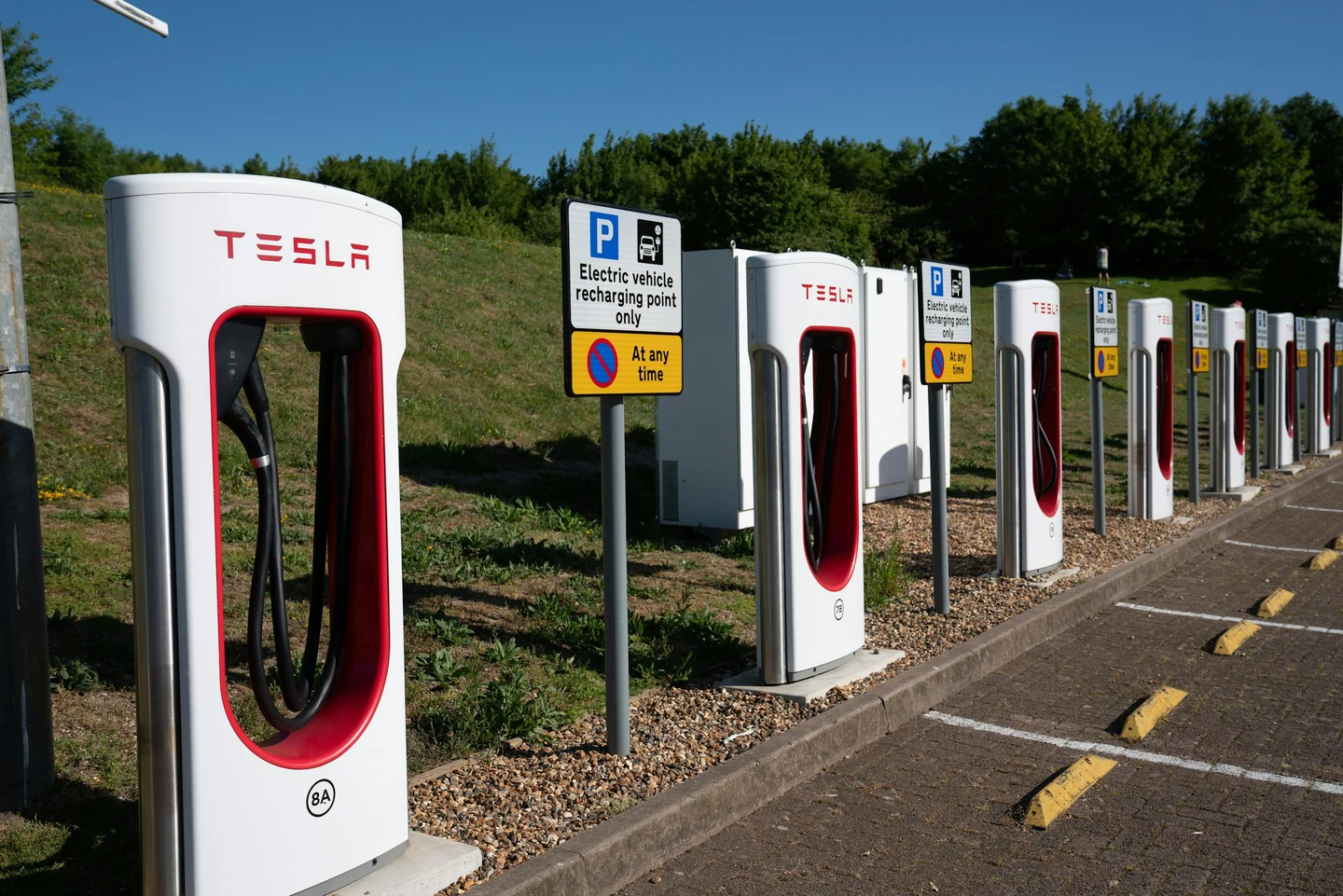
A useful charging installation starts with who will use it and how long they stay. An office parking lot, a retail destination, and an overnight parking area can have different needs.
Review the existing service and charging demand before choosing equipment. The number of stations and their combined output affect the electrical work required.
Plan cable reach, vehicle access, mounting locations, and the path from the electrical supply. Accessible parking and routes need to be considered as part of the site design.
Match the charging equipment to the vehicles you expect. Connector type, vehicle charging limits, and any manufacturer-approved adapters all matter.
Discuss circuits, conduit routes, mounting, and any panel or service work. Network setup, software, and station management should also be assigned clearly before installation.
Charging Options
Actual charging speed depends on the vehicle and available power. Read the Department of Energy charging guide
Before Work Begins
Share how many spaces you have in mind, who will use them, and typical parking time. Decide whether charging will be private or available to visitors.
Confirm capacity, equipment choice, cable routes, and future expansion. Utility coordination or service upgrades can affect cost and timing.
Review approvals, permitting, inspection, connectivity, and commissioning requirements. Agree on the electrical scope and who will operate the stations.
Service Questions
There is no single charging time. Charger output, the vehicle’s charging limit, battery size and charge level, temperature, and shared site power affect the result. Choose the equipment around typical parking time rather than a universal speed claim.
Your Next Step
Serving Riverside and communities within about 60 miles. Call to discuss your project, location, and availability.
Residential & Commercial Electrical Services
Call D BAC Riverside, CA · Serving Approximately 60 Miles